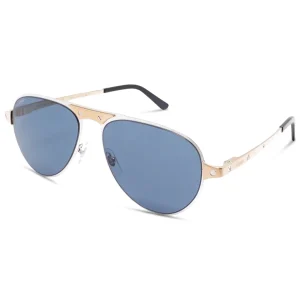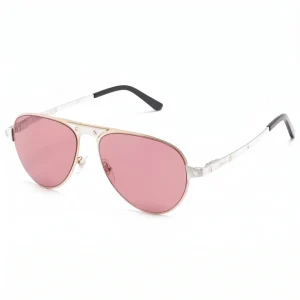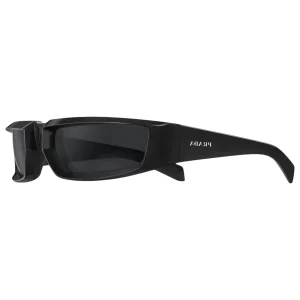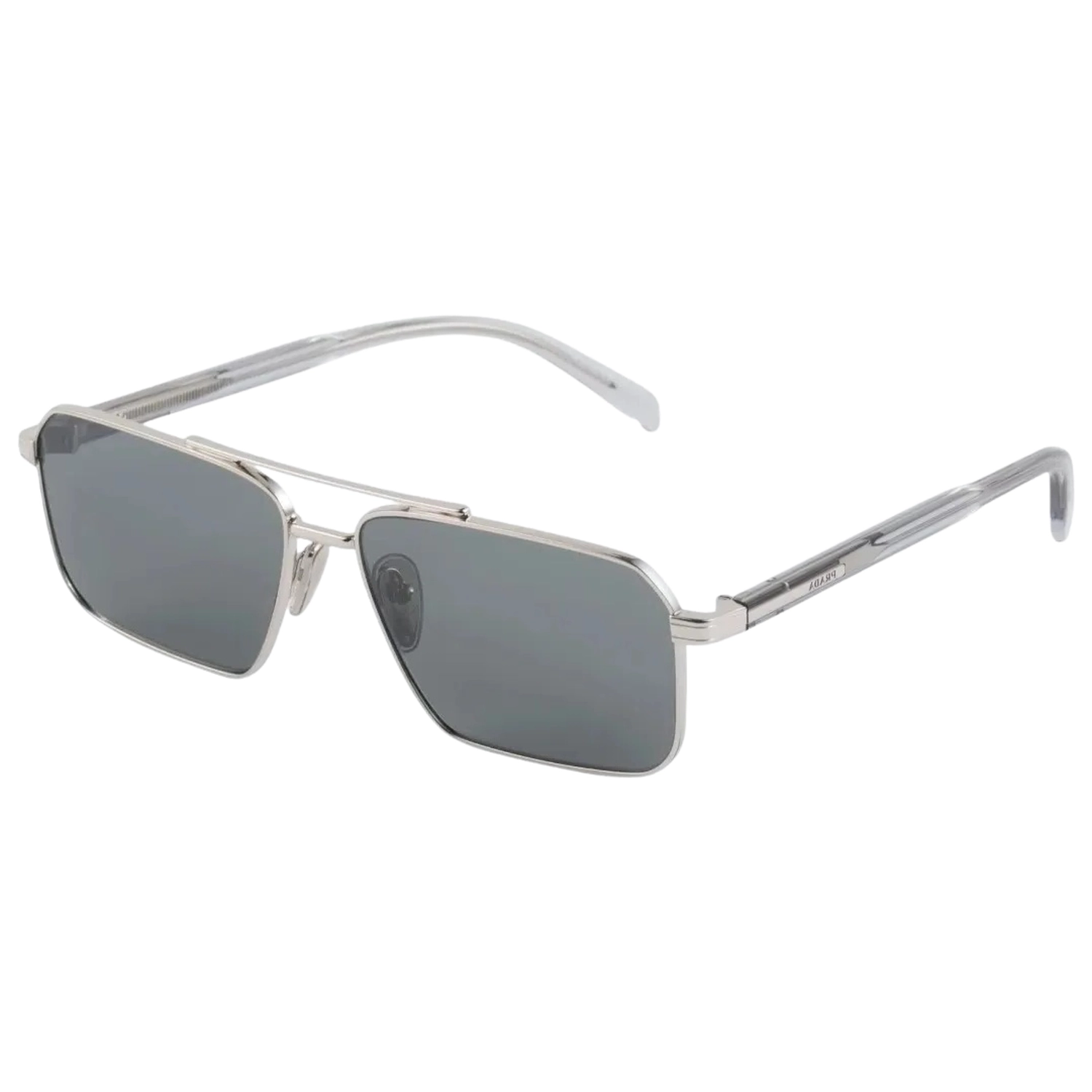
The difference between women’s, men’s, and unisex eyewear comes down to frame dimensions, fit, and styling rather than any rule about who can wear what. Women’s frames tend to run narrower with a higher bridge and shorter lens height; men’s frames run wider with larger lenses and heavier temples; unisex frames sit in the overlapping middle. The numbers etched inside the temple — lens width, bridge, and temple length — matter far more than the gender label on the shelf.
It’s About Fit, Not Gender Rules
Eyewear is split into women’s, men’s, and unisex mostly for shopping convenience, not because a frame physically belongs to one group. Facial structure drives the real fit. On average, men’s faces are wider, with broader temples and a longer nose bridge, so men’s frames are built proportionally larger. Women’s faces tend to be narrower with higher cheekbones, so women’s frames sit higher and lighter. But averages are not rules. Plenty of women suit a wide men’s frame, and many men pick narrow styles. The smart move is to ignore the label and read the three measurements printed inside the arm. If those numbers match your face, the frame fits, whatever section of the store it came from.
Frame Measurements That Actually Matter
Every frame lists three numbers, usually like “52□18-140”. The first is lens width in millimeters, the second is bridge width, and the third is temple (arm) length. Women’s frames commonly run 49-53 mm lens width, a 16-18 mm bridge, and 135-140 mm temples. Men’s frames typically run 54-58 mm lenses, 18-21 mm bridges, and 145-150 mm temples. Unisex frames cluster around 50-54 mm lenses and 140-145 mm temples, which is why they fit the widest range of faces. To find your size, check a pair you already like and compare. A frame whose total width matches your face edge-to-edge, with temples that reach the ear without pinching, will be comfortable regardless of which category sold it. As a rough guide, add the lens and bridge numbers together to estimate the front width. That total should sit close to the width of your face at the temples.
Styling and Color Differences
Beyond size, the categories differ in design language. Women’s eyewear leans into cat-eye and oval shapes, thinner acetate or metal, decorative temple details, and lighter or pastel colorways like rose gold, tortoiseshell, and translucent pinks. Men’s eyewear favors rectangular, square, and aviator shapes, thicker rims, matte black, gunmetal, and deep brown tones, plus sturdier hinges. Unisex lines strip out the gendered cues: clean round, rectangular, and classic wayfarer shapes in neutral black, clear, and tortoise. Iconic models like the Ray-Ban Wayfarer and Aviator are genuinely unisex and have been worn across the board for decades. Brands increasingly market this middle ground because it widens the buyer pool and reduces how many SKUs they have to stock. Materials differ too: women’s frames often use lighter metals and thinner acetate to cut weight, while men’s frames carry thicker rims and sturdier five-barrel hinges. Temple width and lens height also follow these patterns, with men’s lenses sitting taller to suit larger faces.
When to Choose Unisex
Unisex frames are the practical default in several situations. They suit medium-width faces that fall between the typical men’s and women’s ranges. They work well for gifts when you do not know someone’s exact measurements, since the middle sizing forgives more. They are also ideal if you prefer a timeless, low-key look over trend-driven shapes. Couples who like to share styles, and anyone shopping a tight budget, benefit because unisex bestsellers are produced in higher volume and often cost less. The one caveat: a very narrow or very wide face is usually served better by a dedicated women’s or men’s frame, because unisex sizing is built around the average and cannot stretch to every extreme.
How to Pick the Right Frame for You
Start with your current glasses or sunglasses and copy the three measurements that already feel right. Next, match the frame width to your face: the frame should be about as wide as your face at the temples, no wider. Then weigh shape against your face geometry — angular frames balance round faces, and softer curves balance square or angular faces. Finally, treat the gender label as a starting shelf, not a limit. Try frames from all three sections within your measurement range. One more tip: check the frame from the side, since temples that are too short will pinch behind the ear after a few hours. Fit, comfort over a full day, and how the style suits you should decide the purchase, not whether the tag reads women’s, men’s, or unisex.
FAQ
Q: Can a woman wear men’s glasses and vice versa?
A: Yes, completely. The labels are shopping categories, not rules. If a men’s frame’s measurements fit your face and the style suits you, wear it. Many bestselling frames like the Ray-Ban Wayfarer are worn across all groups without anyone noticing the original label.
Q: What size is considered unisex?
A: Unisex frames usually cluster around 50-54 mm lens width and 140-145 mm temple length, sitting in the overlap between typical women’s and men’s ranges. This middle sizing fits the widest range of medium faces, which is exactly why it is marketed as unisex.
Q: How do I know my frame size?
A: Look inside the temple arm for three numbers, such as “52□18-140”: lens width, bridge width, and temple length in millimeters. Compare them to a pair you already wear comfortably. Matching those numbers is far more reliable than guessing from the gender category.
Q: Are women’s frames always smaller than men’s?
A: On average yes, but not always. Women’s frames usually run 49-53 mm lens width versus 54-58 mm for men’s. However, ranges overlap heavily, and individual faces vary. Always check the actual measurements rather than assuming the women’s pair is the smaller one.